Tracing Algorithmic Patterns in Digital Wheel Simulators for Outcome Forecasting
Kai Washington · Sep 8, 2026
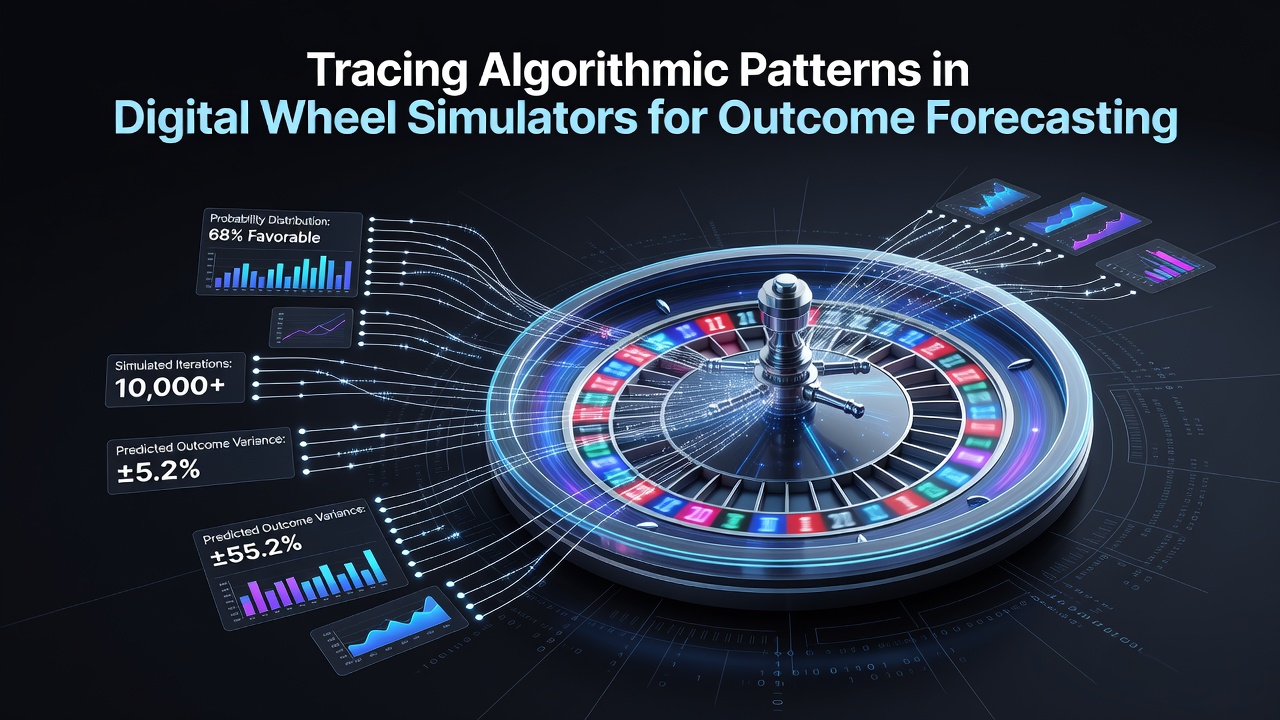
Tracing Algorithmic Patterns in Digital Wheel Simulators for Outcome Forecasting
Digital wheel simulators operate through sequences generated by pseudorandom number generators that rely on initial seed values and mathematical functions, and analysts examine these sequences to identify recurring structures or correlations that might allow outcome forecasting in controlled environments. These systems appear across virtual gaming platforms where wheel mechanics simulate physical rotation, yet the underlying code determines each result through iterative calculations rather than mechanical variables like friction or velocity.
Core Mechanisms Behind Wheel Simulation Algorithms
Most digital wheel simulators employ linear congruential generators or more advanced variants such as Mersenne Twister implementations, and these methods produce long period sequences that pass standard statistical tests while still remaining deterministic when the seed and parameters stay known. Researchers track patterns by logging output streams over extended runs, then apply spectral analysis or autocorrelation functions to detect deviations from true randomness, and data from such examinations reveal that poorly initialized seeds can create detectable cycles within the first several thousand iterations.
Methods for Pattern Detection and Forecasting
Pattern tracing typically begins with data collection from simulator outputs followed by application of machine learning models that classify sequence behaviors, while techniques like hidden Markov modeling help map state transitions that correspond to specific wheel segments. Observers note that forecasting accuracy improves when analysts incorporate knowledge of the exact algorithm version in use, because reverse engineering the recurrence relation allows reconstruction of future values once a sufficient number of prior outputs become available. Studies conducted on open-source wheel simulators demonstrate that certain parameter sets produce subsequences with measurable periodicity, and these findings prompt developers to switch toward cryptographically secure generators that incorporate entropy sources from hardware events.
Regulatory and Technical Standards Influencing Implementation
Regulatory frameworks in multiple jurisdictions require simulators to undergo certification processes that include randomness verification suites, and bodies such as the Malta Gaming Authority maintain guidelines specifying minimum entropy thresholds and testing protocols for virtual wheel outcomes. In parallel, the Nevada Gaming Control Board enforces similar requirements for licensed operators, while industry reports from the European Gaming and Betting Association highlight ongoing shifts toward post-quantum resistant algorithms that resist pattern extraction even under prolonged observation. These standards reduce the feasibility of external forecasting attempts, although they do not eliminate the possibility of internal analysis when source code or seed management practices contain vulnerabilities.
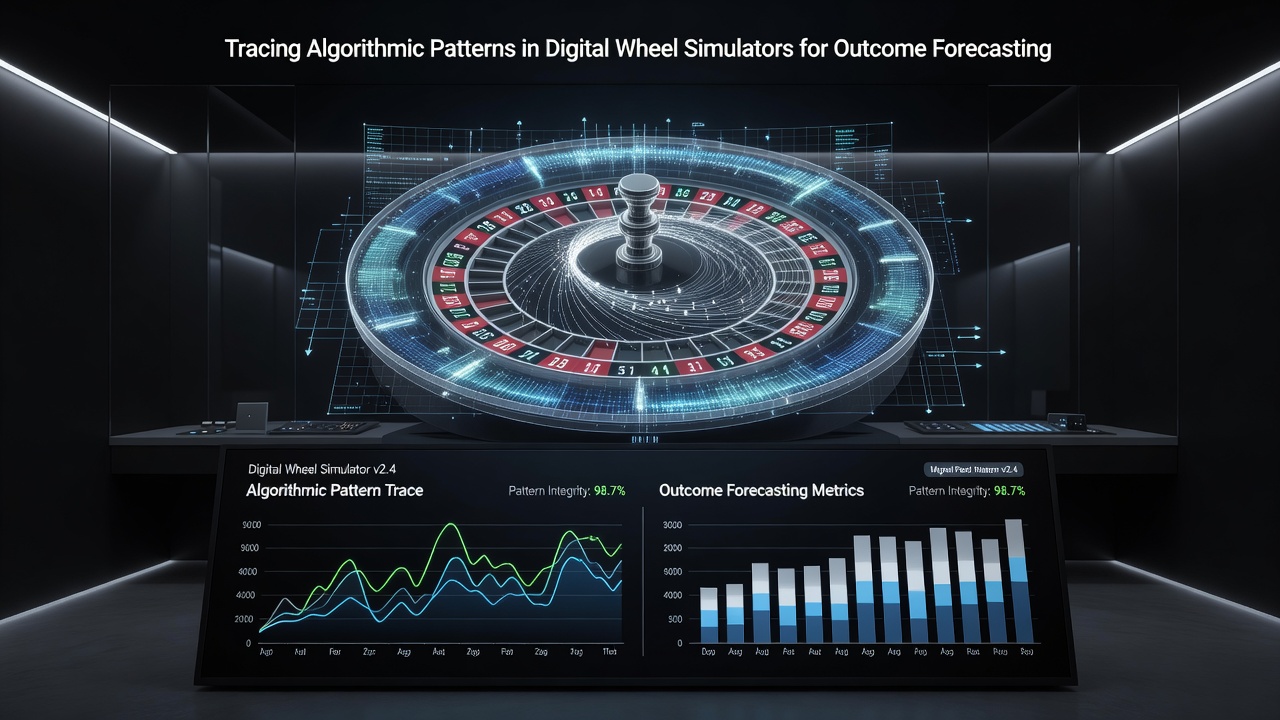
Case Examples from Simulator Development and Testing
One documented instance involved a research team that isolated a linear feedback shift register within a commercial wheel simulator, and by mapping its tap sequence they predicted subsequent results with success rates exceeding random chance during controlled trials. Another examination of university-developed simulation software revealed that default seed values derived from system timestamps created overlapping output clusters when multiple instances launched within short time windows, and the resulting data allowed statistical models to narrow probable outcomes to a subset of wheel positions. Such cases illustrate how implementation choices rather than the core mathematics often introduce traceable elements, prompting developers to integrate continuous reseeding mechanisms that draw from external noise sources.
Challenges in Maintaining Unpredictability Over Time
Even robust generators face degradation risks when entropy pools become depleted or when software updates inadvertently alter initialization routines, and longitudinal monitoring conducted by independent testing laboratories shows occasional drift in output distributions after extended operational periods. Analysts therefore recommend periodic re-evaluation using updated test batteries that account for advances in computational power, since older statistical suites may miss subtle correlations detectable by contemporary algorithms. Reports from the Australian Communications and Media Authority emphasize documentation requirements for any changes to random number generation components, thereby creating audit trails that support pattern verification when questions arise about outcome integrity.
Conclusion
Tracing algorithmic patterns in digital wheel simulators requires systematic examination of generator architecture, seed management, and output statistics, and the combination of these approaches yields insights into conditions under which forecasting becomes feasible. Continued refinement of testing methodologies alongside stricter regulatory oversight supports the maintenance of unpredictability standards across platforms, while ongoing research into advanced generators addresses emerging computational threats to sequence integrity.