Mapping Regional Preferences for Inside Versus Outside Bets in Global Casino Networks
Yara Berger · Nov 3, 2026
Mapping Regional Preferences for Inside Versus Outside Bets in Global Casino Networks
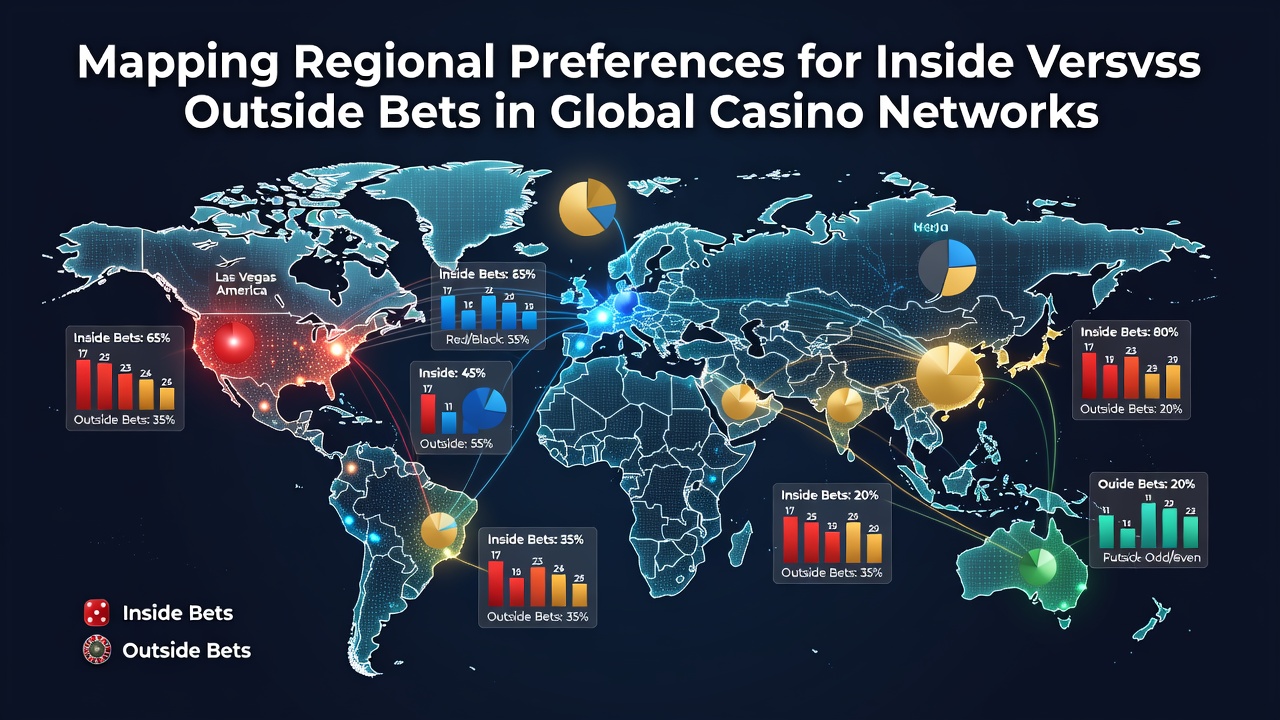
Regional differences in roulette betting patterns show clear patterns when analysts examine data from major casino networks operating across continents, and these variations often tie directly to local regulations, player demographics, and historical gaming traditions. Inside bets, which cover specific numbers or small combinations on the wheel, carry higher payouts but lower probabilities, while outside bets focus on broader categories like red or black, even or odd, and they attract steadier though smaller returns. Observers note that tracking these choices across global operators reveals how networks adjust table layouts, minimum stakes, and promotional offers to match local habits.
North American Market Dynamics
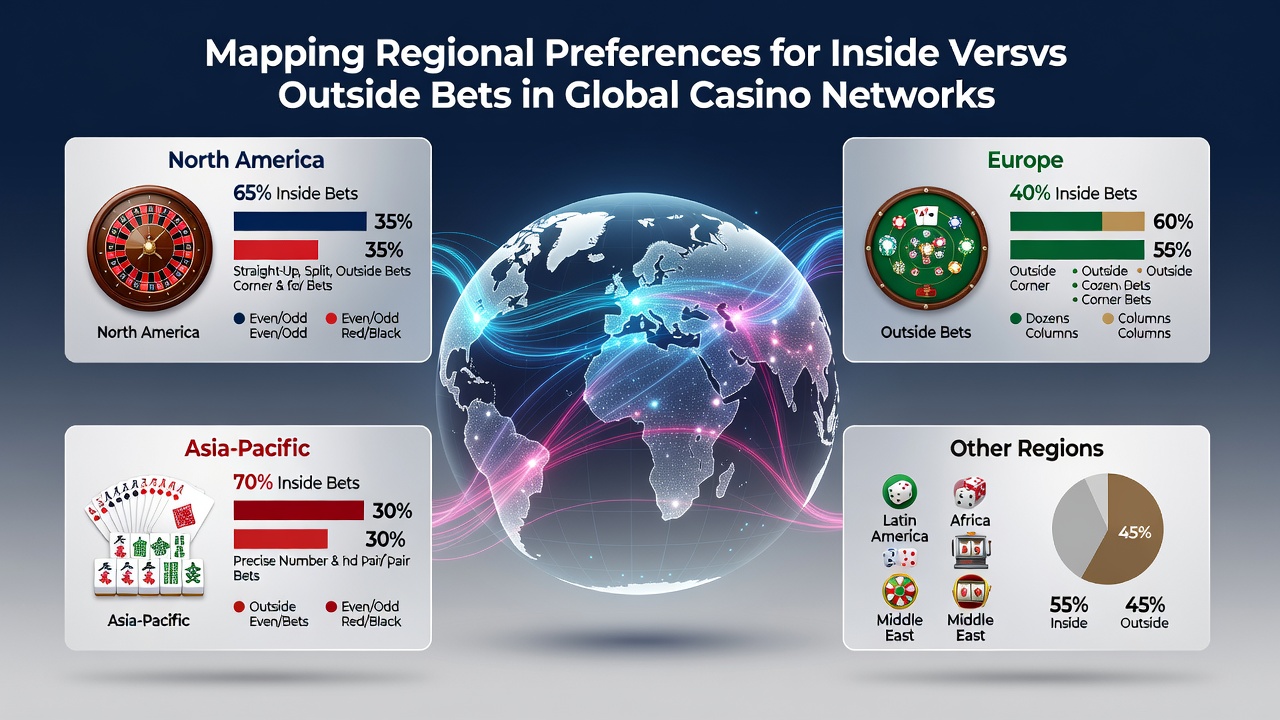
Data compiled by the Nevada Gaming Control Board indicates that players in Las Vegas and Atlantic City properties lean toward outside bets in roughly sixty percent of recorded spins during peak hours, a trend that holds steady across multiple years of aggregated reports. Casino networks in this region often feature higher table minimums for inside bet sections, which encourages casual visitors to stick with even money options, and this setup aligns with broader marketing that emphasizes extended play sessions over high risk wagers. Researchers tracking patterns in Pennsylvania and New Jersey online platforms find similar splits, though digital interfaces allow quicker shifts between bet types when users chase specific outcomes.
European and Asian Contrasts
European casino floors, particularly those in regulated markets outside the United Kingdom, display stronger engagement with inside bets during evening sessions, according to figures released by the European Gaming and Betting Association. Single zero wheels remain standard in these locations, which slightly improves the odds for number specific wagers, and networks respond by placing more staff near high limit inside betting zones to manage faster paced action. In contrast, Asian markets centered around Macau and Singapore show even higher outside bet volumes during daytime hours, driven by large tour groups that favor group style even money plays, while high roller areas cater to inside strategies with private tables and personalized tracking systems.
Influences on Player Choices
Cultural exposure to gaming from an early age shapes these regional splits, as communities with long standing lottery traditions tend to favor the quicker resolution of outside bets, whereas areas influenced by card game cultures explore inside combinations more readily. Economic factors also play a role, since networks in high tourism zones adjust payout structures and table availability based on visitor origin data collected through loyalty programs. Regulatory frameworks further guide preferences, with some jurisdictions capping maximum inside bet payouts or requiring minimum outside coverage to promote responsible play, and operators integrate these rules into their network wide analytics to predict table demand.
Network Level Adaptations
Global operators use centralized data platforms to map these preferences in real time, allowing them to shift dealer training programs and digital wheel configurations across properties as seasonal visitor flows change. For instance, networks with properties in both North America and Asia often run parallel promotions that highlight outside bet bonuses in one region while featuring inside bet tournaments in another, and this targeted approach stems from analysis of millions of individual wagers logged each month. Studies from research institutions such as the University of Nevada, Las Vegas Center for Gaming Research demonstrate that such mapping improves table utilization rates by aligning offerings with documented regional habits rather than applying uniform strategies.
Developments Expected by November 2026
Industry reports project continued refinement of these mapping tools through 2026, with several major networks planning expanded use of AI driven segmentation to forecast bet type demand on a property by property basis. Regulatory updates scheduled for review in multiple jurisdictions around November 2026 may introduce new reporting requirements on bet distribution, which would give analysts additional layers of comparable data across borders. Networks already testing predictive models expect these advancements to reduce idle tables during off peak periods while maintaining the distinct regional flavors that keep players engaged.
Conclusion
Mapping regional preferences for inside versus outside bets provides casino networks with actionable insights drawn from operational data, regulatory filings, and cross market comparisons, and continued monitoring supports more precise allocation of resources across global portfolios. As networks refine these approaches through the coming years, the underlying patterns remain rooted in measurable differences that vary by location and evolve with player access to both physical and digital platforms.