Behind the Spin: Examining Random Number Generators in Virtual Casino Wheels
Amir Lange · Aug 21, 2026
Behind the Spin: Examining Random Number Generators in Virtual Casino Wheels
Virtual casino wheels rely on sophisticated systems that produce unpredictable outcomes for games such as roulette and wheel-based variants, and random number generators form the core mechanism that determines every spin result. These systems operate continuously behind the scenes to replicate the uncertainty found in physical wheels while meeting strict operational standards set by gaming authorities worldwide.
The Core Technology Behind Virtual Wheels
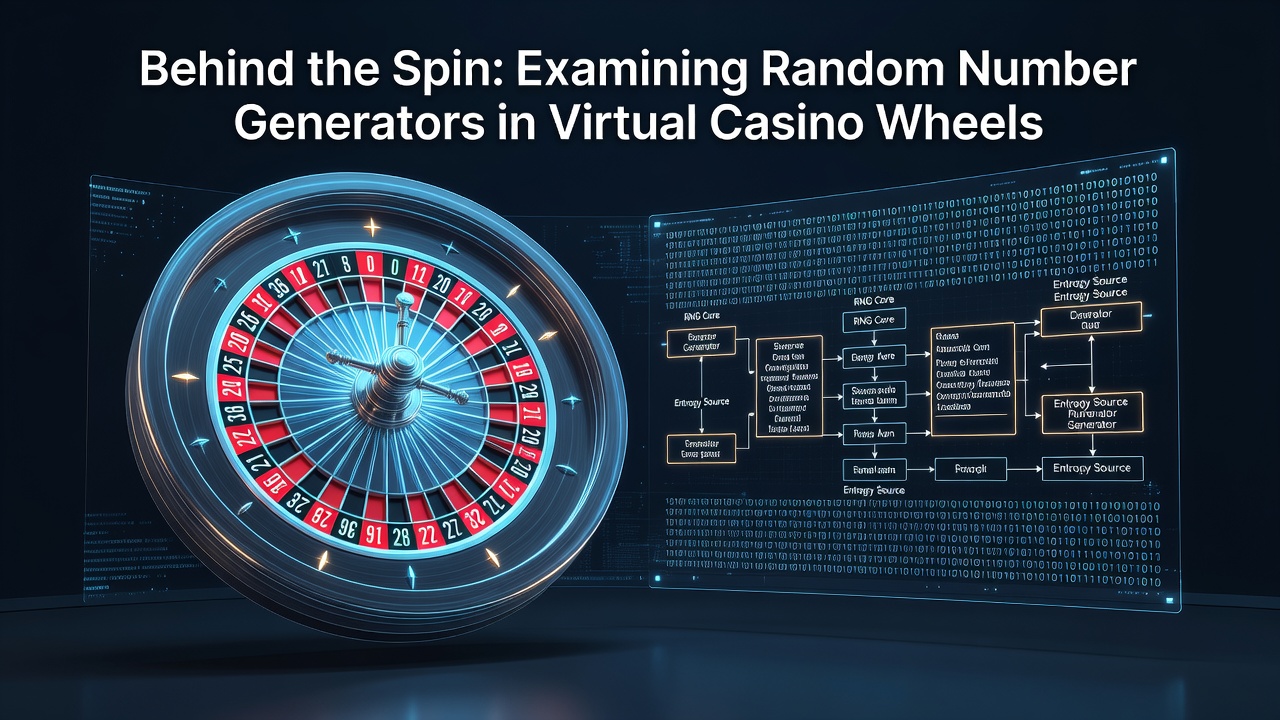
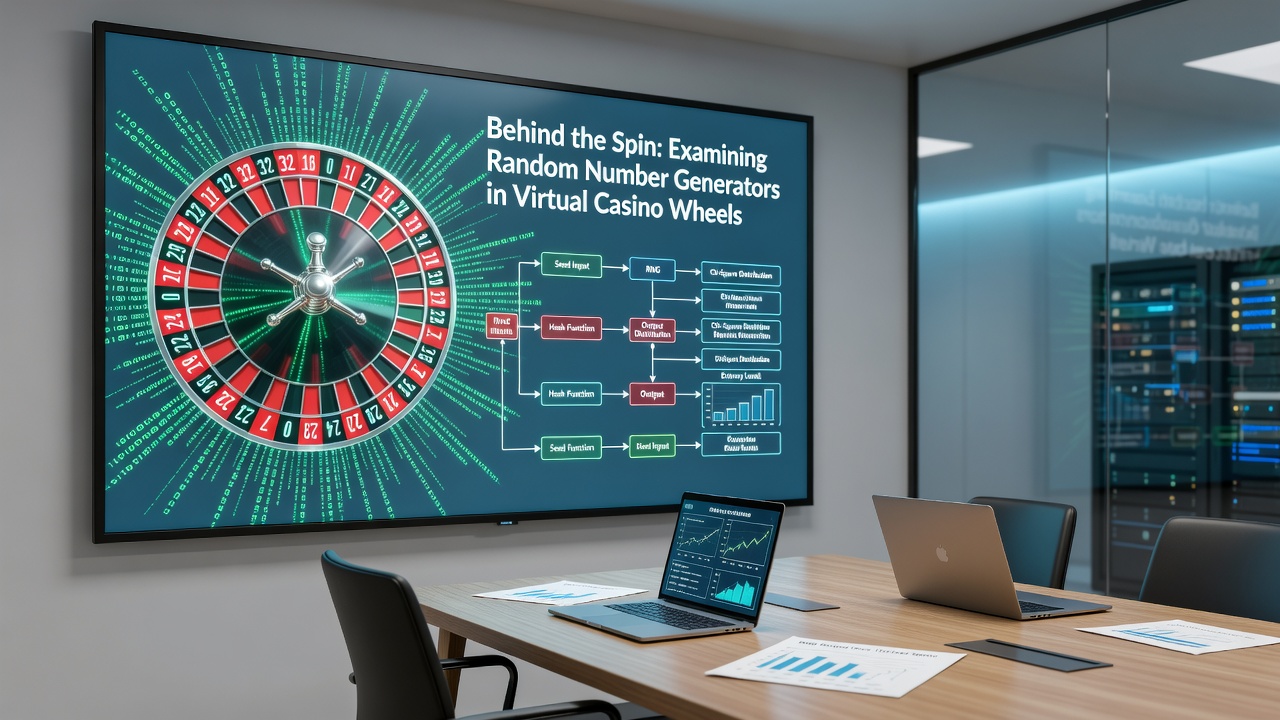
Random number generators create sequences of numbers that correspond to wheel positions or outcomes, and operators integrate these generators into software platforms that display animated wheels to players. Data shows that most platforms use algorithms seeded with initial values drawn from system clocks or hardware events, after which the generator produces rapid number streams that map directly to game results. Observers note that this mapping occurs in milliseconds, ensuring each virtual spin remains independent of previous plays.
Developers often combine multiple entropy sources to strengthen unpredictability, while certification laboratories verify that the output distribution matches theoretical probabilities for each possible result. Studies conducted by independent testers confirm that properly implemented generators maintain uniformity across millions of simulated spins, and regulators require periodic retesting to sustain compliance.
Distinctions Between Generator Types
Two primary categories serve virtual casino environments. Pseudo-random number generators rely on deterministic mathematical formulas that expand a seed value into long sequences, and these formulas pass statistical test suites designed to detect patterns or repetitions. True random number generators, by contrast, harvest entropy from physical phenomena such as electronic noise or thermal variations, producing outputs that researchers consider non-deterministic.
Many operators choose pseudo-random solutions because they deliver consistent performance across high-volume traffic, whereas true random systems appear more frequently in environments where additional hardware can be maintained. Figures from industry reports indicate that both approaches achieve the required randomness thresholds when subjected to the same validation protocols.
Certification and Ongoing Verification
Accredited testing agencies examine generator code, review seeding methods, and run extensive simulation batteries before issuing compliance certificates. These agencies operate under frameworks established by various national and regional bodies, and operators must submit updated reports whenever software changes occur. In August 2026 several jurisdictions introduced enhanced simulation requirements that mandate at least ten billion test cycles for each new generator version.
Continuous monitoring tools now track live output streams on production servers, flagging any deviation from expected statistical profiles. Gaming associations publish summaries of these oversight activities, allowing stakeholders to review aggregate compliance data without accessing proprietary code.
Regulatory Approaches in Different Regions
European authorities such as the Malta Gaming Authority require RNG submissions as part of every platform license application, and similar obligations exist under the New Jersey Division of Gaming Enforcement guidelines. Australian state regulators apply comparable technical standards that emphasize both initial certification and annual audits. Data from these bodies shows that rejection rates remain low once developers address initial seeding or mapping issues identified during review.
Operators maintain internal audit logs that regulators can request at any time, creating an additional layer of accountability. Research institutions have published comparative analyses of these frameworks, highlighting how geographic differences affect implementation timelines and documentation volume.
Integration With Player-Facing Displays
Animation engines receive outcome values from the generator and render wheel spins that align with those predetermined results, creating a visual experience that matches the mathematical model. Sound effects and lighting sequences follow the same timeline, ensuring synchronization across all interface elements. Players interact with the finished animation, yet the underlying number remains fixed once the spin request is processed.
Network latency handling protocols buffer generator outputs so that delays in data transmission do not alter the final result. This buffering approach preserves fairness even during peak usage periods when thousands of simultaneous spins occur across multiple game instances.
Conclusion
Random number generators continue to underpin the integrity of virtual casino wheels through layered technical controls, independent testing, and regulatory oversight that spans multiple continents. Advances in monitoring tools and simulation standards have strengthened verification processes, and operators adapt their systems to meet evolving requirements issued by licensing authorities. The combination of algorithmic precision and physical entropy sources supports consistent delivery of unpredictable outcomes that align with established probability models.